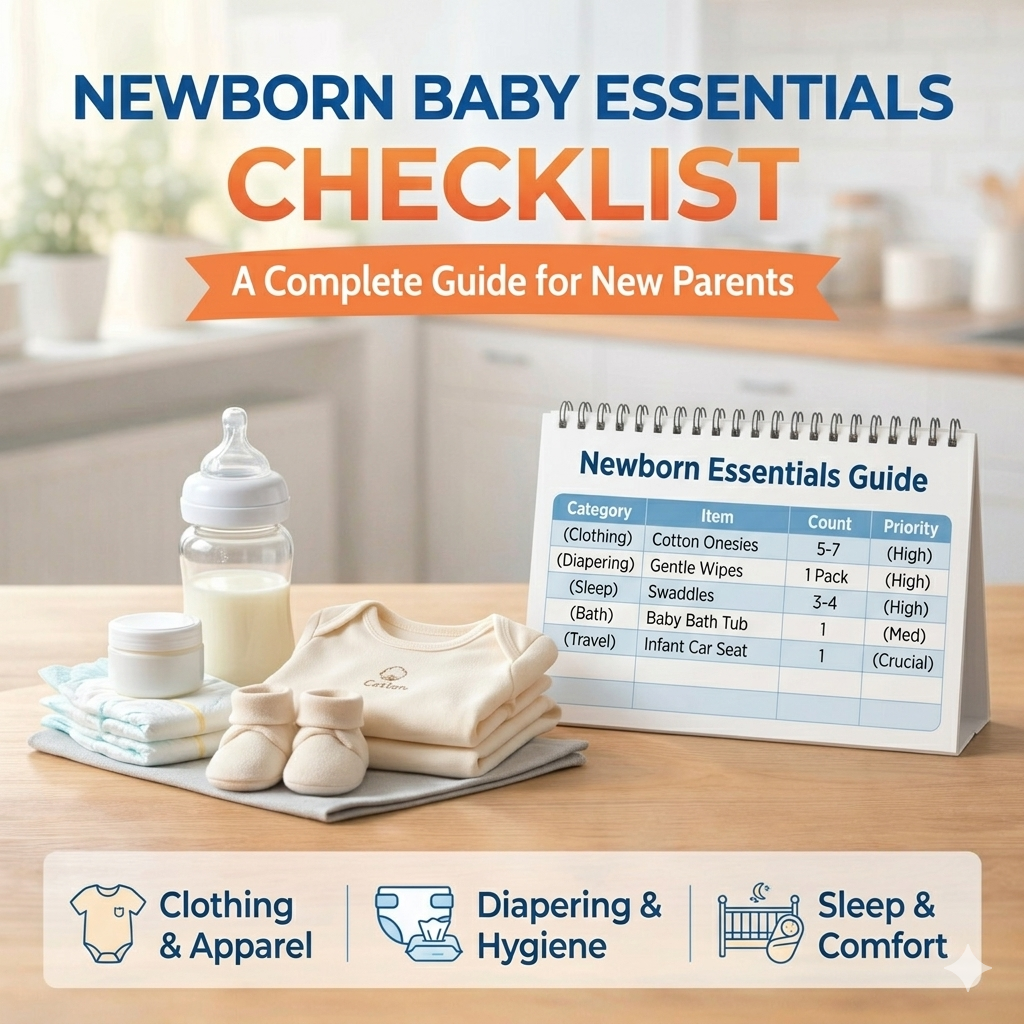
Welcoming a newborn is a significant milestone for any family. While it is an exciting phase, it also requires careful preparation to ensure the baby’s comfort, safety, and well-being. With a wide range of baby products available in the market, parents often find it challenging to determine what is truly essential.
A well-structured newborn baby essentials checklist helps simplify this process. By focusing on practical, safe, and high-quality products, parents can create a nurturing environment without unnecessary complexity or expense.
Why a Newborn Essentials Checklist Matters
Newborns have specific needs that revolve around feeding, hygiene, sleep, and comfort. Having the right essentials ready before the baby arrives allows parents to focus on caregiving rather than last-minute purchases.
A thoughtfully prepared checklist helps:
- Ensure all critical baby care categories are covered
- Reduce stress during the early weeks of parenting
- Avoid over-purchasing or buying unsuitable products
- Maintain consistency in hygiene and safety practices
Essential Newborn Baby Clothing: What Your Baby Really Needs
Newborn clothing should prioritize comfort, softness, and ease of use. Since a baby’s skin is sensitive, breathable fabrics such as cotton are highly recommended.
It is advisable to keep clothing minimal yet sufficient, as newborns outgrow sizes quickly.
Recommended clothing items:
- 5–7 cotton onesies
- 5–7 sleepers or rompers
- 3–4 pairs of socks or booties
- 2–3 soft caps
- 2 pairs of mittens
- 2–3 seasonal outfits
Best practices:
- Choose front-open designs for convenience
- Avoid tight or synthetic materials
- Wash all clothing before first use
Newborn Diapering & Hygiene Essentials for Safe Daily Care
Maintaining hygiene is one of the most critical aspects of newborn care. Frequent diaper changes are necessary to keep the baby comfortable and prevent skin irritation.
Essential diapering items:
- Disposable or reusable diapers
- Gentle, fragrance-free baby wipes
- Diaper rash prevention cream
- Changing mat or station
Hygiene considerations:
- Change diapers regularly to avoid rashes
- Clean and dry the diaper area thoroughly
- Use skin-friendly and dermatologically tested products
Complete Feeding Essentials for Newborn Babies (Breastfeeding & Bottle Feeding)
Feeding plays a central role in a newborn’s growth and development. Whether breastfeeding or bottle feeding, having the right tools ensures a safe and efficient feeding routine.
Key feeding essentials:
- Baby feeding bottles
- Slow-flow nipples suitable for newborns
- Burp cloths
- Bibs
- Bottle cleaning brush
- Breast pump (if required)
- Infant formula (if applicable)
Feeding guidelines:
- Ensure all feeding equipment is sterilized
- Use BPA-free and food-grade materials
- Maintain proper feeding posture for the baby
Newborn Sleep Essentials: Creating a Safe & Comfortable Sleep Environment
Newborns require adequate sleep for healthy development. Creating a safe and comfortable sleep environment is essential.
Sleep essentials include:
- Crib or bassinet
- Firm mattress with fitted sheets
- Swaddle blankets
- Lightweight blankets
Safety recommendations:
- Always place the baby on their back while sleeping
- Avoid loose bedding or soft objects in the crib
- Maintain a clean and ventilated sleep area
Baby Bath & Skincare Essentials for Sensitive Newborn Skin
Newborn skin requires gentle care to prevent dryness and irritation. Selecting mild and safe products is essential for maintaining skin health.
Bathing essentials:
- Baby bathtub
- Soft washcloths
- Mild baby soap and shampoo
- Hooded towels
- Baby moisturizer
Skincare considerations:
- Use lukewarm water for bathing
- Avoid harsh chemicals and fragrances
- Keep the baby’s skin moisturized
Newborn Health & Safety Essentials Every Parent Should Have
Basic health and safety items are necessary to handle minor concerns and ensure the baby’s well-being.
Essential items include:
- Digital thermometer
- Baby nail clippers or file
- Nasal aspirator
- Baby-safe laundry detergent
- Basic first-aid kit
Keeping these items organized and accessible helps parents respond quickly when needed.
Travel & Outdoor Essentials for Newborn Babies
Taking a newborn outside requires proper planning and the right equipment to ensure safety and comfort.
Travel essentials:
- Infant car seat
- Baby stroller
- Diaper bag with essentials
- Baby carrier or wrap
Practical tips:
- Carry extra diapers, wipes, and clothing
- Ensure feeding supplies are readily available
- Maintain hygiene while traveling
Comfort & Development Essentials for Early Baby Growth
While newborns primarily sleep, they still benefit from comfort and early sensory stimulation.
Recommended items:
- Pacifiers (optional)
- Soft blankets
- Age-appropriate toys
- Play mats
Products should always be made from safe, non-toxic materials suitable for infants.
Common Newborn Shopping Mistakes Parents Should Avoid
Many parents tend to overprepare or purchase unnecessary products. Avoiding these common mistakes can help maintain a practical approach.
Key mistakes to avoid:
- Purchasing excessive clothing
- Ignoring product safety certifications
- Choosing low-quality materials
- Overlooking hygiene requirements
- Following trends rather than practical needs
Building a Safe & Practical Newborn Essentials Checklist
Preparing for a newborn requires thoughtful planning rather than extensive purchasing. By focusing on essential, safe, and high-quality products, parents can ensure a comfortable and secure environment for their baby.
A well-organized checklist not only simplifies preparation but also allows parents to focus on what truly matters caring for their newborn and enjoying the early stages of parenthood.
Frequently Asked Questions
1. What are the most essential items for a newborn baby?
Clothing, diapers, feeding equipment, sleep essentials, and hygiene products are the most important items.
2. How many diapers does a newborn require daily?
Newborns typically require 8–12 diaper changes per day.
3. Should I buy feeding bottles if I plan to breastfeed?
Yes, feeding bottles can be useful for storing and feeding expressed milk when needed.
4. How can I ensure baby products are safe?
Choose products that are BPA-free, non-toxic, and meet recognized safety standards.
5. Is it necessary to buy all baby items before birth?
It is recommended to prepare essential items in advance, while additional products can be purchased as needed.
Leave a Reply