Returning to work after maternity leave is one of the most challenging transitions a mother faces. For moms who are committed to breastfeeding, the process of pumping, storing, and feeding breast milk in baby bottles becomes a daily routine that needs to be both efficient and safe.
Improper storage of breast milk can lead to bacterial contamination, nutrient loss, and unnecessary waste. This guide covers everything a working mom needs to know about storing breast milk in baby bottles safely — from pump-to-bottle hygiene to refrigeration guidelines and feeding best practices across different regions.
Why Proper Breast Milk Storage Matters
Breast milk is a living substance containing antibodies, enzymes, and nutrients that protect your baby’s developing immune system. Unlike formula, it is highly sensitive to temperature, light, and contamination.
Improper handling can:
- Degrade the antibodies and nutritional content
- Introduce harmful bacteria that cause digestive illness
- Reduce the shelf life of the milk significantly
- Result in feeding issues such as gas, colic, or refusal
For working moms in warmer climates — particularly across South Africa, Southeast Asia, India, and the Middle East — temperature management is especially critical given the heat and humidity that can accelerate spoilage.
Choosing the Right Baby Bottle for Storing Breast Milk
Not every baby bottle is suitable for breast milk storage. The material, seal quality, and nipple compatibility all play a role in maintaining the milk’s safety and freshness.
Best materials for breast milk storage bottles
- Food-grade silicone bottles — flexible, durable, and heat-resistant
- BPA-free plastic bottles — lightweight and travel-friendly
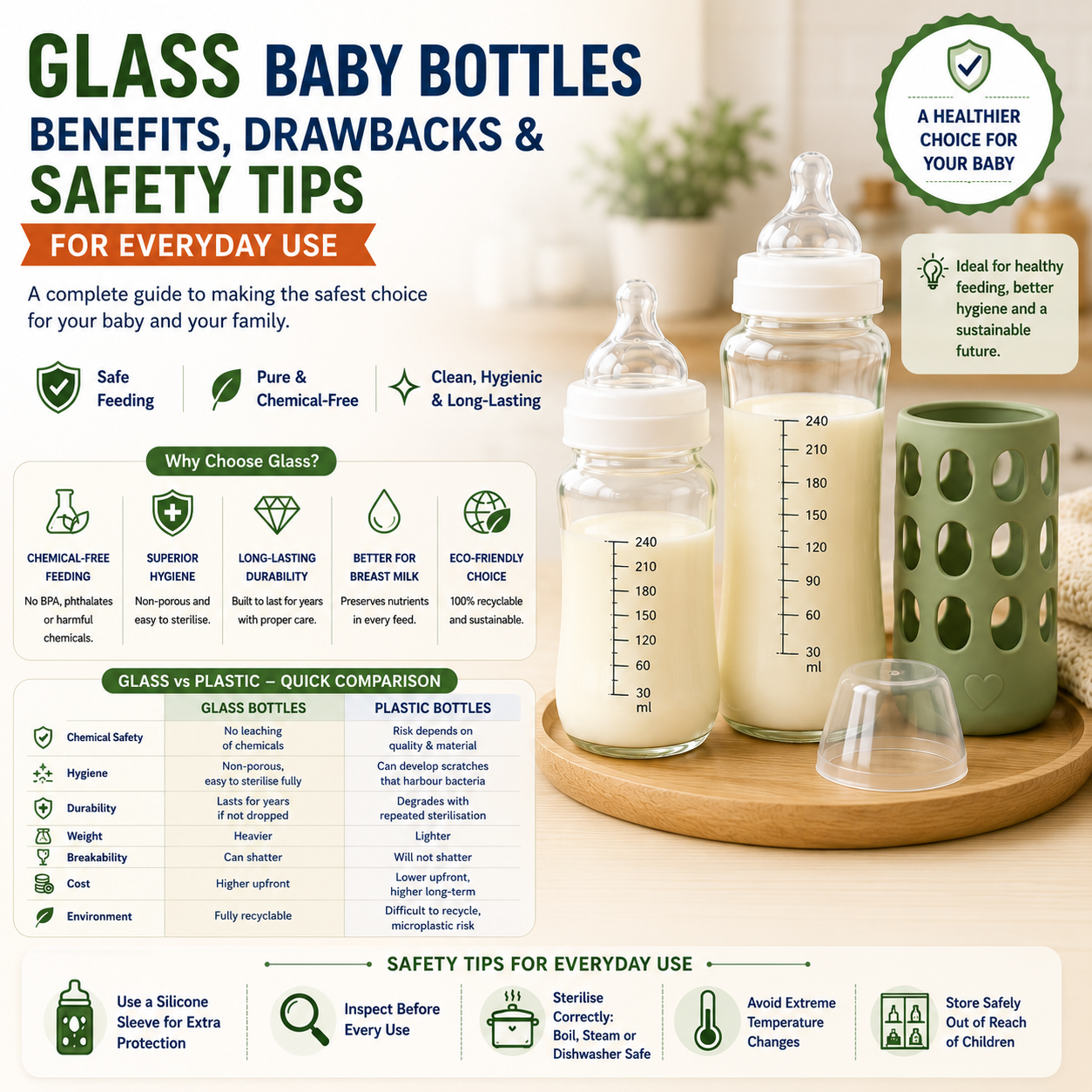
- Glass baby bottles — non-porous and chemical-free, ideal for longer storage
Always ensure that the bottle you use is specifically labeled as BPA-free, phthalate-free, and food-grade certified. Royal Baby Products manufactures feeding bottles that meet international food safety standards including FDA and CE certification, making them suitable for breast milk storage across global markets.
Breast Milk Storage Guidelines by Location
Storage durations vary depending on temperature conditions. The following guidelines are based on internationally recognised recommendations and are particularly relevant for parents in tropical and semi-arid climates.
At room temperature
- Up to 4 hours at 25°C (77°F) or below
- Up to 1–2 hours in hotter environments (above 30°C) — common in Southeast Asia, India, and parts of South Africa
- Always store away from direct sunlight and heat sources
In a refrigerator
- Up to 4 days at 4°C (39°F) or below
- Store at the back of the fridge, not in the door compartment
- Ensure the refrigerator maintains a consistent temperature
In a freezer
- Up to 6 months in a standard home freezer
- Up to 12 months in a deep freezer
- Label every bottle with the date and time of expression
Step-by-Step Guide: Pumping and Storing Breast Milk in Bottles
Following a consistent and hygienic process from pumping to storage is the most effective way to maintain milk quality.
- Step 1 — Wash your hands thoroughly: Use soap and warm water for at least 20 seconds before handling any feeding equipment.
- Step 2 — Sterilise the bottle: Before the first use and after every feed, sterilise the bottle using steam, boiling water, or a microwave steriliser. Allow it to air dry completely.
- Step 3 — Pump into a clean container: If pumping directly into a storage bottle, ensure the pump flanges are also clean and sterilised.
- Step 4 — Label the bottle: Write the date and time on the bottle using a waterproof marker or a bottle label. Always use the oldest milk first.
- Step 5 — Cool before refrigerating: Allow freshly pumped milk to cool at room temperature for no more than 30 minutes before placing it in the fridge or freezer.
- Step 6 — Do not fill to the top: Leave about 2–3 cm of space at the top of the bottle as breast milk expands when frozen.
Warming Stored Breast Milk Safely
Warming breast milk requires care to preserve its nutritional integrity and avoid hot spots that could burn your baby’s mouth.
Recommended warming methods:
- Place the bottle in a bowl of warm (not boiling) water for 10–15 minutes
- Use a dedicated electric bottle warmer with temperature control
- Run warm tap water over the bottle for several minutes
Methods to always avoid:
- Microwave heating — creates uneven hot spots and destroys antibodies
- Boiling the bottle directly — damages the nutritional content
- Re-freezing previously thawed breast milk
Practical Tips for Working Moms on the Go
Managing breast milk storage while commuting or working in an office requires planning and the right equipment.
- Invest in a quality insulated cooler bag with ice packs — breast milk stays safe for up to 24 hours in a well-insulated cooler at 15°C or below
- Label bottles clearly before leaving home to avoid mix-ups at the workplace
- If a workplace fridge is shared, store milk in a sealed bag or container to maintain hygiene
- In hot climates such as Thailand, Malaysia, and South Africa, carry a portable cooler during commutes to prevent premature spoilage
- Keep a spare set of sterilised bottles at the workplace to avoid carrying used equipment back and forth
Signs That Breast Milk Has Spoiled
Even with proper storage, it is important to check milk before feeding.
- Sour or rancid smell — fresh breast milk has a mild, slightly sweet odour
- Unusual separation that does not resolve after gentle swirling (some fat separation is normal)
- Off-colour appearance such as pink, green, or unusual discolouration
- Curdled texture after warming
When in doubt, discard the milk. A baby’s health is never worth the risk.
Conclusion
Storing breast milk safely in baby bottles is both a science and a habit. With the right bottles, consistent hygiene, and an understanding of temperature guidelines, working moms can continue providing their babies with the full nutritional benefits of breast milk, no matter where they are in the world.
Royal Baby Products offers a range of BPA-free feeding bottles and accessories designed to support safe breast milk storage and feeding. Trusted by parents across South Africa, India, Southeast Asia, and the Middle East, our products are built to international safety standards so that every feed is clean, safe, and nourishing.
Frequently Asked Questions
Q: Can I add fresh breast milk to already-stored milk in a bottle?
A: Yes, but only if the fresh milk has been cooled first. Never add warm freshly pumped milk directly to cold or frozen milk.
Q: How do I know if breast milk is still good after refrigeration?
A: Check for sour smell, unusual colour, or texture changes. If it smells fresh and swirls normally after gentle mixing, it is generally safe.
Q: Is it safe to store breast milk in any baby bottle?
A: Always use bottles made from food-grade, BPA-free materials with secure seals. Avoid bottles with cracks or worn nipples.
Q: Can I use the same bottle I feed from for storage?
A: Yes, provided it is thoroughly cleaned and sterilised between uses.
Q: How should I store breast milk when travelling in hot climates?
A: Use an insulated cooler bag with ice packs. In very hot regions such as Southeast Asia and parts of Africa, prioritise refrigeration as soon as possible and avoid leaving milk unrefrigerated for more than 1–2 hours.

Leave a Reply